The Resolution details measures to cut plastic waste across all sectors, including manufacturing, commerce, services, and daily household activities.

A new roadmap will see Hanoi phase out single-use plastics in markets and convenience stores. Starting January 1, 2027, these establishments must stop providing non-biodegradable plastic bags for free, leading to a complete ban on their circulation by January 1, 2028.
The initiative is part of a Resolution passed by the 16th Hanoi City People’s Council on July 10, which aims to reduce plastic waste throughout the city in accordance with Article 28 of the Capital Law (a law on management and development of the capital city).
The Resolution details measures to cut plastic waste across all sectors, including manufacturing, commerce, services, and daily household activities.
Accordingly, manufacturing enterprises using PE (polyethylene) and PP (polypropylene) plastics in packaging, as specified in points d, dd, and e, Clause 2, Article 77 of Government Decree No. 08/2022/NÄ-CP dated January 10, 2022, must use a minimum of 20% recycled content in the aforementioned packaging starting from January 1, 2028. Furthermore, they must use a minimum of 30% recycled content in such packaging starting from January 1, 2030.
The Resolution outlines a gradual reduction in the production and import of single-use plastic products, non-biodegradable plastic packaging, and products and goods containing microplastics.
From January 1, 2028, non-biodegradable plastic packaging (including non-biodegradable plastic bags and styrofoam containers for food) shall not be used for direct contact with food, except for products and goods that are sold in their original, pre-existing non-biodegradable packaging.
From January 1, 2031, the production and import of single-use plastic products (excluding those certified with the Vietnam Green Label), non-biodegradable plastic packaging, and products/goods containing microplastics will cease.
This ban does not apply to products manufactured for export, and the production and import of non-biodegradable packaging used to package finished products and goods for sale in the market.
Source Vneconomy

According to the Guardian, chemists at the University of Edinburgh found that E. coli can help make paracetamol (also known as acetaminophen) from plastic bottles. “The technology reveals the potential to combine chemistry and biology, enabling more sustainable paracetamol production while cleaning plastic waste from the environment,” said Stephen Wallace, lead author of the study from the University of Edinburgh.
In a paper published last week in the journal Nature Chemistry, Wallace and colleagues describe how they detected a type of chemical reaction called Lossen rearrangements, which is biocompatible. In other words, it is possible to carry out a reaction when there are living cells present without harming them.
The team realized this when they took polyethylene terephthalate (PET), a plastic commonly found in food packaging and bottles, and then used sustainable chemistry, transforming it into a new material. When the researchers annealed the material with a harmless strain of E. coli, they found it transformed into another compound called Paba during the process involved in the Lossen rearrangements.
While the Lossen rearrangement reaction usually requires strict experimental conditions, it occurs immediately in the presence of E. coli, which is catalyzed by phosphate in the cells themselves. According to the team, Paba is the essential compound that bacteria need to grow, especially DNA synthesis, which is often produced in cells from other compounds. However, E. coli used in the experiment has been genetically modified to block this pathway, meaning the bacteria must use PET material.
Next, the researchers modified the E. coli gene further, inserting two genes taken from fungi and soil bacteria, which helped the bacteria modify PABA into paracetamol. When using E coli in this way, they can turn the original PET-based material into paracetamol in less than 24 hours, with low gas emissions and up to 92% efficiency. Although more research is needed to produce paracetamol using the above method on a commercial scale, the results can be applied in practice.
Sources: The Guardian
]]>The Decision No. 1316/QÄ-TTg of the Government emphasizes the target of using 100% environmentally friendly plastic bags and packaging at shopping centers and supermarkets for domestic purposes as replacement for non-biodegradable plastic bags from 2025 onwards. It is necessary to guarantee to collect, reuse, recycle and process 85% of  generated plastic wastes as well as reduce 50% marine plastic wastes. 100% of tourist attraction and tourist accommodation establishment and hotels strive not to use non-biodegradable plastic bags and single-use plastic products.
This is also a drastic action to follow the Directive No. 33/CT-TTg issued by the Government on strengthening management, reuse, recycling, treatment, and reduction of plastic wastes; require thoroughly to reduce the use of single-use plastic products.
Accordingly, one of the urgent missions and solutions at this moment to implement the scheme is to strengthen research and production of environmentally friendly products. The Government also requires enterprises and organizations to strengthen researches, investments and development of technology to produce eco-friendly products to replace plastic items. They have to investigate, design and manufacture plastic packaging and products which minimize the norm of plastic materials/products. Simultaneously, enterprises enhance the capacity of key laboratories to satisfy the requirements of research, testing, evaluation and quality certification of packaging products meeting Vietnam’s regulations and replace plastic products and biodegradable bags.
Vietnamese businesses took the initiative before the Government scheme
Recently, a large number of Vietnamese businesses have shifted to research and produce environmentally friendly products to replace disposable plastic products. However, most of the manufacturers in this field face difficulties in raw materials when they have to import materials from abroad, produce in Vietnam and then distribute them back to the market. This increases the production cost and force them to depend on the supplier and transport partners.
Therefore, the problem of the self-contained supply chain of raw materials is a huge challenge and obstacle for many Vietnamese enterprises in this field.
While many businesses are perplexed about this issue, An Phat Holdings has been preparing to build a green material factory called An Phat PBAT Manufacturing Plant worth US$100 million with the largest scale in Southeast Asia, proactively supplying raw materials and producing green products to replace disposable products.
An Phat Holdings also determines the immediate objective, which is also a sustainable development goal, is to be proactive in manufacturing of raw materials, thereby reducing production costs and at the same time implement the plan to bring Vietnam’s green materials to the world.
PBAT An Phat Manufacturing Plant construction project has been officially granted the investment registration certificate by Hai Phong Department of Planning and Investment.

An Phat Holdings currently owns the proprietary core technology for producing raw materials in South Korea, has mobilized capital, human resources and cooperated with leading partners from Germany to implement the project. This is expected to be an important step for Vietnamese enterprises in creating their own supply chains, thoroughly solving the issue of raw materials.
With this plant, An Phat Holdings will use the most modern production line system to manufacture the best quality products. The plant is designed with advanced automation percentage. Experts can operate from a remote control room, ensure the accuracy and safety.
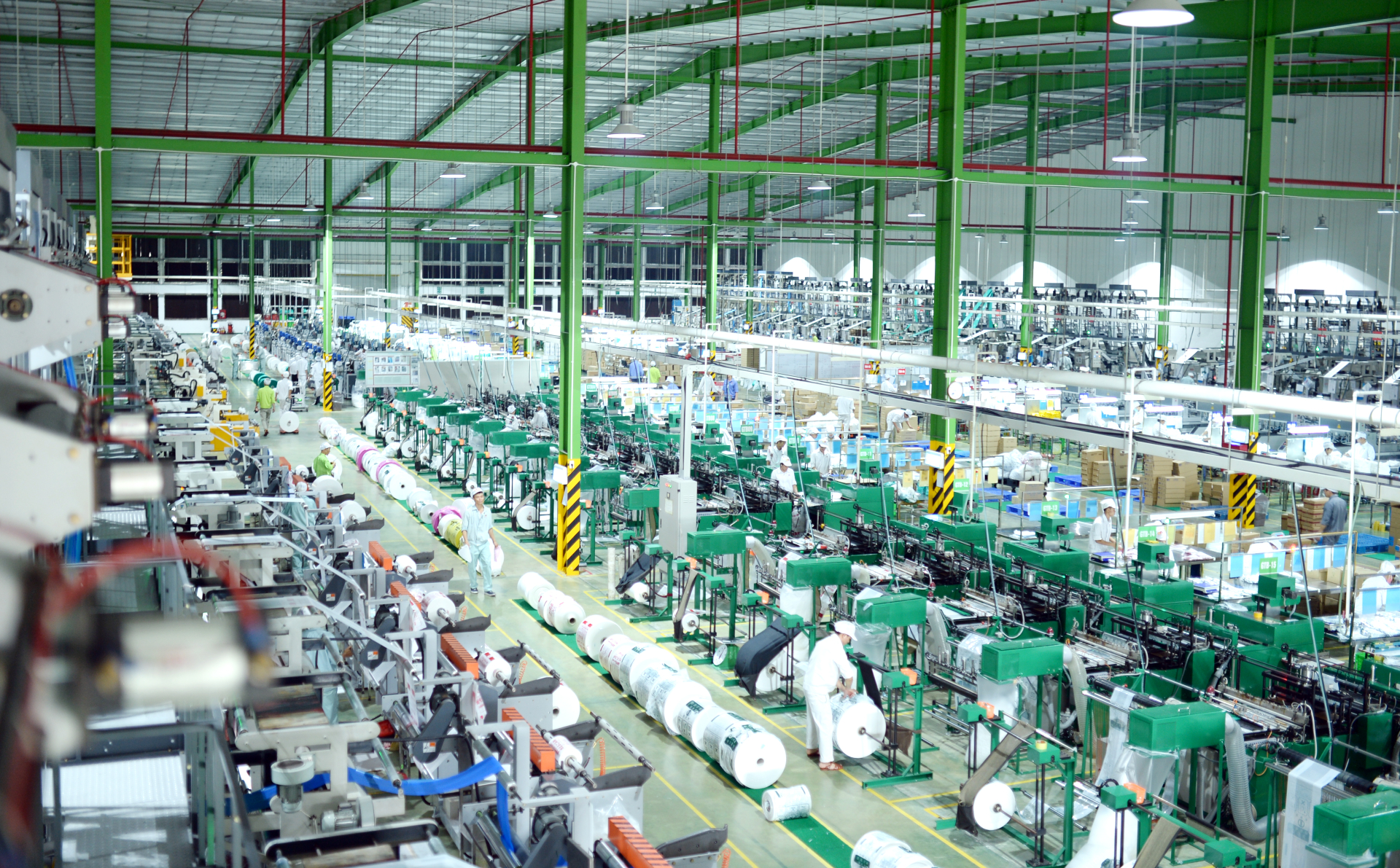
When the plant puts into operation, 70% of products would be used to serve the production needs of this Group, 30% will be used for trade in target markets such as the U.S., Europe, Canada, South Korea, and Australia, etc.
The completion of the PBAT project will help An Phat Holdings complete its ecosystem, officially bringing this corporation directly into the global green supply chain. Moreover, having the source of raw materials will help this group reduce the cost of environmentally friendly products, which is always a barrier in accessing the majority of customers.
]]>Fishing equipment – contribute factor to marine pollution
Vietnam is the 4th country in the world in volume of plastic waste, with approximately 0.28 to 0.73 million tons per year (Jambeck, 2015). At present, plastic waste is posing direct threats to marine life. Approximately 70% of large plastic flakes at sea and 46% of the Pacific garbage patch are formed from fishing equipments (Greenpeace, 2019). The Food and Agriculture Organization of the United Nations (FAO) estimates that around 640,000 tons of fishing gears are left at sea each year around the world.
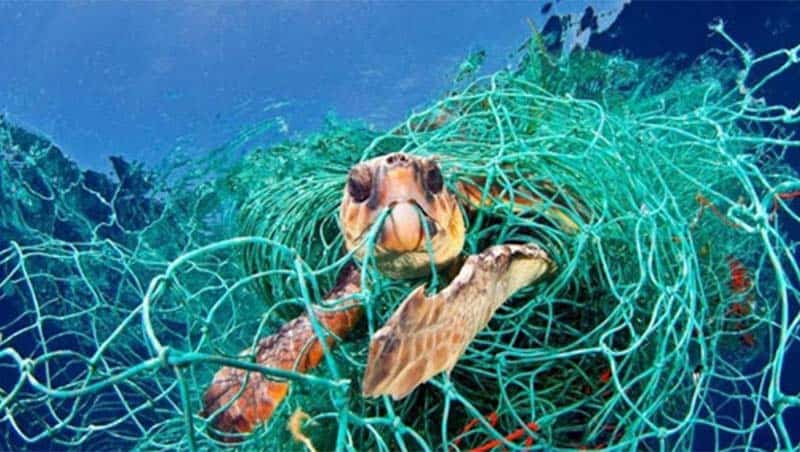
According to a Greenpeace report, lost and abandoned fishing gear which is deadly to marine life makes up the majority of large plastic pollution in the oceans. More than 640,000 tonnes of nets, lines, and traps used in commercial fishing are dumped and discarded in the sea every year, the same weight as 55,000 double-decker buses.
“Nets and lines can pose a threat to wildlife for years or decades, ensnaring everything from small fish and crustaceans to endangered turtles, seabirds and even whales,†the report said.
Solutions to reduce marine plastic waste
Since 2002, Korea has been developing and supplying compostable fishing gear under the direction of the National Institute of Fisheries Science (NIFS). AnKor Bioplastics, a member of
An Phat Holdings, has been participating in the research and development of materials for fishing gear production such as compostable fishing nets.
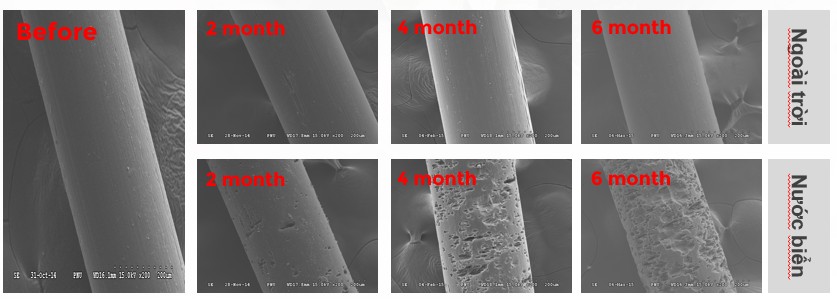
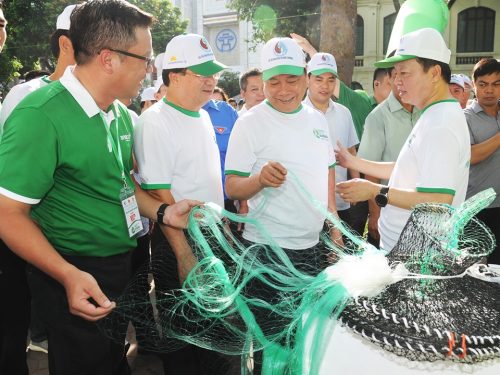
On that basis, after many years of research and development, An Phat Holdings has successfully produced compostable fishing gears such as fishing nets, fish traps … These gears are made from mixed materials (PBS, PBAT and other additives) that environmentally friendly and capable of degradable.
The advantage of the product is that it can completely decompose in the seawater, seabed thanks to the microorganisms. The decomposition process does not create harmful substances for the environment, and the decomposition time is shorter than that of traditional fishing gears.
In addition, according to the tests in the laboratory and the actual environment, the “green” fishing gear products produced by the Group have physical and chemical properties and the fishing ability equivalent to conventional fishing gears on the market. Thanks to these advantages, An Phat Holdings compostable fishing gears have been popular in the market and especially fishing nets products are exported to countries such as Europe, America…
With the research and production orientation of producing products that serving all areas of life, besides compostable bags, knives, spoons, forks, straws, gloves…, the compostable fishing gear or compostable mulch films are crucial to the development of the Group’s compostable products segment. Hopefully, in the coming time, these eco-friendly products will be popularly used in Vietnam and Worldwide.
]]>In 2019, many Vietnamese businesses started to increase the production of biodegradable products. Along with that is the rise of many environmentally friendly products such as paper bags, compostable bags/straws/utensils and other products that are made from plant-based materials such as grass straws. These products are starting to gain the trust from customers all over the country.

Along with this trend, many big Vietnamese businesses are being persistent in the fight against conventional single-use plastic products. Major F&B businesses such as Highlands Coffee, The Coffee House, Trung Nguyen Legend Café, Cheese Coffee, Starbucks Coffee are all replacing conventional single-use plastic products with compostable straws, bags and spoons. Many big businesses in the hospitality industry such as Daewoo Hotel, Lotte Hotel, Bao Son Hospital, Vinpearl Resort have decided to choose compostable bags to replace current conventional plastic bags. Supermarket chains such as Vinmart, Circle K, Lotte Mart, Aeon, Farmers’ Market are also entering the fight against conventional single-use plastic with many campaigns that encourage customers to reduce consumption of these products.
Solution for the problems regarding profit for businesses
Besides the efforts to fight against conventional single-use plastic, problems regarding profit for businesses still raise difficult questions as eco-friendly products often cost more than conventional plastic products.

With the decision to replace conventional single-use plastic products, businesses will have higher investment costs. However, in return, they will be able to gain customers’ trust and brand loyalty over time.
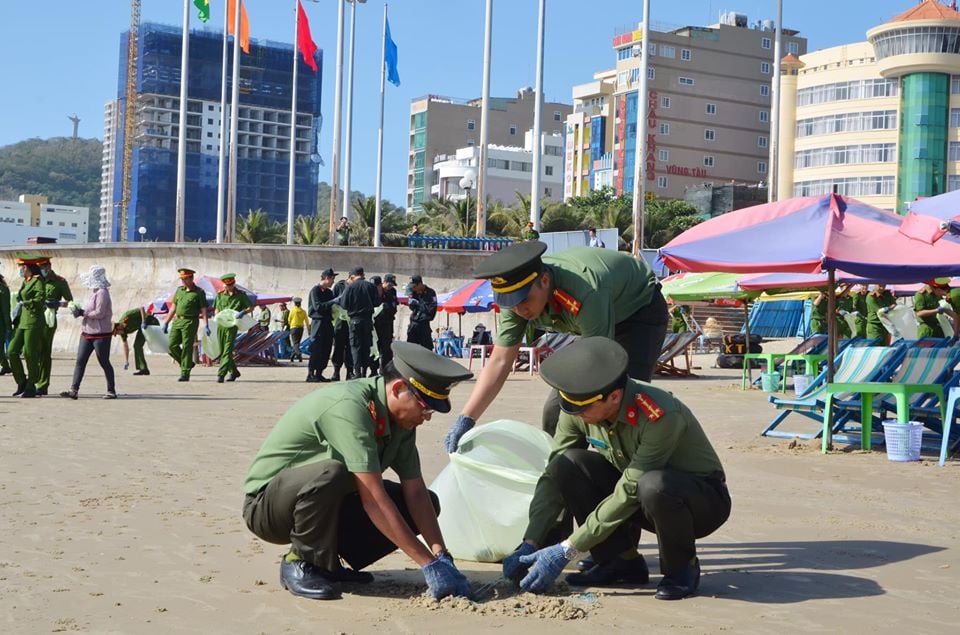
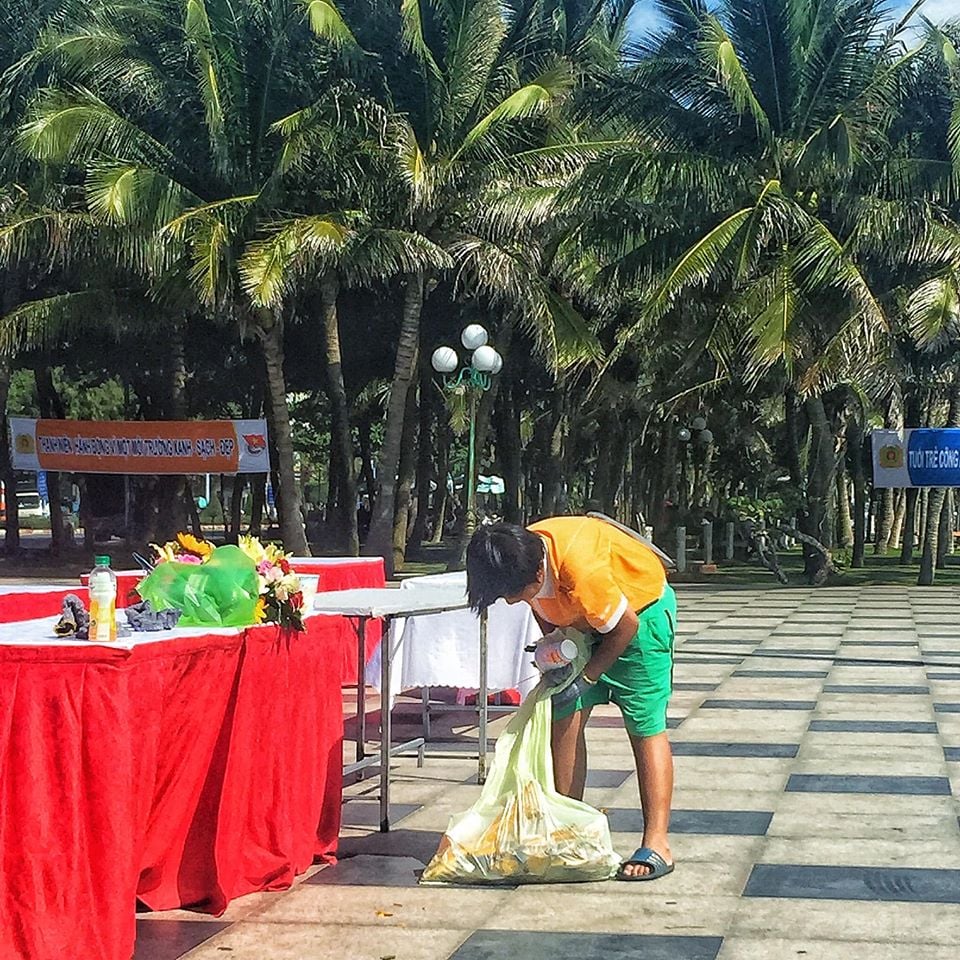
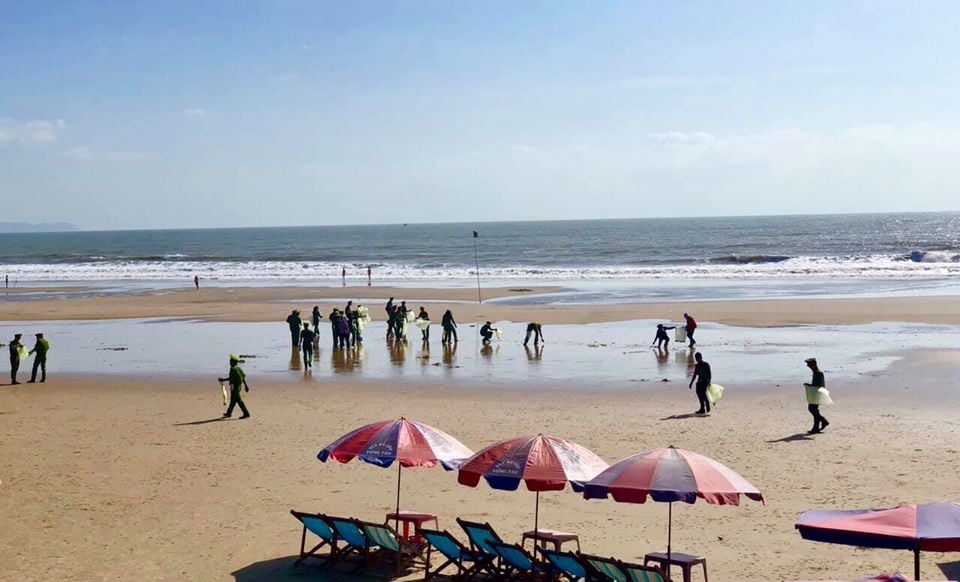
]]>In the program, there were many activities such as mobile propaganda, disseminating knowledge about protecting marine environment, preventing and controlling plastic waste in resident areas; building motion graphic on prevention and control of plastic waste and propaganda on the website of the Youth Union of the Ministry of Public Security; launching a campaign to protect the marine environment and marching on propagating the marine environment, preventing and fighting against plastic waste in Ba Ria – Vung Tau province; and donating 500 national flags to the fishermen.
The most outstanding activity was cleaning Vung Tau beach, which attracted the participation of numerous members of the People’s Public Security Forces and local people. Many AnEco garbage bags were used in this activity. As a 100% compostable product line, AnEco bags were confident to accompany this cleaning activity in Vung Tau because they did not harm the environment.
Some memorable moments at the event:
Recently, AEON Vietnam Co., Ltd. (AEON Vietnam) has launched a project to reduce disposable plastic waste at AEON shopping center – Tan Phu Celadon, Ho Chi Minh City.


AEON Vietnam Co., Ltd. has launched a project to reduce disposable plastic wasteâ€
In addition to AEON, AnEco has been present in many big supermarket systems throughout the country such as Lotte, BigC, Co.op Mart, Mega Mart, Vinmart,…


AnEco is used in AEON shopping center – Tan Phu Celadon, HCM City.
Mr. Sasamori Hiroaki – Deputy General Director of AEON Vietnam said: “We believe our efforts in gradually implementing actions to reduce disposable plastic waste in the general department store system and AEON Vietnam’s supermarkets will achieve the expected results; in order to achieve the goal of reducing plastic waste according to the Vietnamese Government’s roadmap, aiming at protecting the environment and improving the health of people â€.â€

With the consistent view that economic development must go together with environmental protection, over the time, the Government has issued and is continuing to improve the system of mechanisms and policies on environmental protection, promoting the collection, sorting, recycling, reuse of solid waste, towards building a circular economy in Vietnam.
However, like many countries in the world, Vietnam is facing a huge challenge due to environmental pollution and climate change, especially the emerging problems of solid waste in general and plastic waste pollution at alarming level in particular. According to incomplete statistics, each Vietnamese family usually uses 5-7 plastic bags for a day, including big bags, small bags and micro-bags,… Thus, millions of plastic bags are used and discharged into the environment every day. The habit of using these products daily is polluting the environment and affecting human health.
In order to proactively provide information about the situation of plastic waste pollution, highlight the policies and solutions to fight with plastic waste of the Government in the coming time, acknowledge proposals and recommendations from the citizens, enterprises and managers around this issue, on November 14, the Government E-Portal held a talkshow about “Against plastic wasteâ€.
Guests of the talkshow:
Mr. Vo Tuan Nhan, Deputy Minister of Natural Resources and Environment
Prof. Dr. Dang Thi Kim Chi, President of Science and Technology Council, Vietnam Association of Nature and Environment Protection
Ms. Tran Thanh Phuong, Deputy Director of Business Department, representative of An Phat Holdings
Journalist Hoang Quoc Dung of Tien Phong Newspaper
Content of the talkshow:
Recently, the Government has issued many mechanisms and policies on environmental protection in general, including promoting the collection, sorting, recycling, and reuse of plastic waste. Would you please share about solutions as well as initial results achieved?

Mr. Vo Tuan Nhan: The Government has clearly seen the harms of plastic waste and disposable nylon bags. In 2011, the Government submitted to the Congress for approval of the Law on Environmental Protection Tax, which stipulates that non-eco-friendly plastic bags are one of the subjects subjected to tax. In 2012, the Ministry of Natural Resources and Environment issued Circulars 07 regulating that eco-friendly plastic bags are exclude from taxes and are labeled as green. In 2013, the Prime Minister approved the project “Strengthening environmental pollution control for plastic waste and plastic bagsâ€. After that, ministries,departments and localities conducted many activities such as national and international scientific conferences, training courses, advocacy to people and taking impacts on environmental pollution control for plastic bags. In 2018, the Prime Minister approved a national adjustment strategy for integrated solid waste management, which specifies the roadmap and control methods for plastic waste and plastic bags. In October 2018, under the direct guidance of Prime Minister Nguyen Xuan Phuc, the Ministry of Natural Resources and Environment held a launching ceremony of the national movement against plastic waste. In April 2019, the Prime Minister sent a letter to local authorities, enterprises and residents throughout the country to call for “the whole country join hands to fight against plastic waste and plastic bagsâ€. Especially, on June 9, the Prime Minister directly commanded and participated in calling the whole country to fight against plastic waste.
The Vietnam Fatherland Front and the Ministry of Natural Resources and Environment met with 14 religious organizations throughout the country to discuss about environmental protection and climate change response, focusing on the fight against plastic waste and plastic bags. The Ministry of Education and Training called all schools, urged students to join the movement to fight against plastic waste and plastic bags. The Youth Union constantly acted, not propagating anymore. Local authorities, where had plastic waste stated by the mass media, took immediate measures to handle. Enterprises combined to form alliances against plastic waste. For example, the Vietnam Plastic Packaging Alliance, initially with 12 large corporations formed. The Ministry of Natural Resources and Environment signed a commitment with this alliance. Currently, the alliance has grown in number of members.
As an enterprise that produces eco-friendly plastic products, would you like to share some information about the production situation as well as the requirements of Vietnamese and the world market with these products?
Ms. Tran Thanh Phuong: With a clear operating principle, we are striving to become the leading enterprise in high-tech and environmentally-friendly plastics in South East Asia. With a production ecosystem of more than 13 member companies and more than 19 factories, we are focusing on 6 key areas: Packaging solutions; 100% compostable materials and environmentally friendly products; high-tech and environmentally friendly building materials; high-tech plastic; precision mold; industrial real estate. An Phat Holdings affirmed its position in the world market with total revenue of 2019 reaching VND 12,000 billion (more than 50% of revenue came from export markets). An Phat Holdings also affirmed its name through important markets in the world, such as USA, Europe, Japan, …

100% compostable and eco-friendly materials is one of our focus fields. This is an important step of An Phat Holdings. The trend of the world is gradually shifting to environmentally friendly products, which replace traditional plastic bags lasting from 200 to 500 years to decay completely. An Phat Holdings is offering solutions which have better impact on the environment, such as 100% compostable bags. Products of An Phat Holdings are 100% compostable in normal conditions from 6 months to a year into humus, water and CO2.
In Vietnam, the growth rate of the plastic industry is increasing according to the requirements of the residents. The plastic packaging industry accounts for 35% of the total, revenue from this industry is about 15 billion USD per year. Therefore, according to a statement from the Government, in 2025, Vietnam will ban all disposable plastic bags. This means that we need a solution for replacement products and An Phat Holdings is providing this solution.
Overall, the habit of using disposable plastic products is still popular among the majority of residents. From the perspective of an expert, how do you think about the alarming level of plastic pollution in Vietnam?
Ms. Dang Thi Kim Chi: Collecting, recycling, reuse and handling of persistent plastic products and disposable plastic bags in Vietnam are still challenging. Incomplete treatment and bad management lead to harms to the environment and affect human health. We know that, in nature, hard-to-break plastic products, plastic bags can survive for several hundred years. This existence will affect the composition of soil and water. If plastic bags are treated by heat, there will be a lot of toxic gas released to the human body. Using plastic bags in daily activities as a habit has led to increasing plastic waste. In Hanoi, every day people emit 5,000 tons of garbage, of which about 7% -8% are nylon or persistent plastic products. This situation warns us that if we do not see the harmful effects of plastic bags and plastic waste, not only our generation but also the next generation will suffer heavy consequences.

Would you like to share more about Ms. Dang Thi Kim Chi’s warning about the alarming situation of plastic pollution nowadays?
Mr. Hoang Quoc Dung: I would like to add that solving the environmental problem, including pollution of persistent plastic waste, does not seem to go together with social – economy development. For example, Bac Ninh Province is the smallest Province in Vietnam but has a huge attraction for foreign investment (US $ 18 billion), all of the industries are high-tech. However, if anyone goes on Highway 18 from Hanoi to Quang Ninh, through Bac Ninh, the first image we see is two huge mountains of garbage. As far as we know, the stronger the economic development, the greater the level of plastic waste used there. This is related to the intervention to minimize the use of persistent plastic products.
We seem to stop at the level of propaganda, but in action or perception, it is difficult to change. For example: In Vietnam, there is a special feature that we ‘wear plastic on the head’. However, there is a large number of helmets we wear that do not meet the standard. Usage time of these helmets is very low. Disposing unused helmets leads to a double problem.
We have issued a series of policies but we have not had the statistics about the effectiveness of these policies. So what is the validity of these policies? If we do not solve plastic waste problem well, it shows that we are lacking of readiness, at the same time, it is also a test of the management efficiency of national management authorities.
How do you assess the situation of increasing plastic waste and the risk of environmental pollution due to plastic waste today?
Mr. Vo Tuan Nhan: Along with the process of industrialization, urbanization and human activities, the amount of plastic waste and disposable plastic bags is increasing. We all know that plastic products take hundreds or even thousands of years to decompose. Many products after being thrown away disintegrate into very small pieces of plastic, together with micro particles of plastic mixed with food and drinking water, directly affecting human health, ecosystems, especially marine ecosystem.
It is estimated that plastic and plastic bags account for about 6-8% of total domestic solid waste. Accordingly, a large amount of plastic waste and plastic bags are released into the environment, increasing a serious threat to the environment of soil, water and air if not collected and treated thoroughly. In addition, plastic waste and plastic bags enter the inland flow system and are transported to the river then sea, decaying into small pieces. So, marine organisms can swallow them, affecting respiration or the digestive system, or entering the food chain, being a threat to the environment and ecosystem.
Plastic waste is increasing, especially from the use of disposable plastic products and persistent plastic bags. The plastic bags waste is mainly treated by landfilling because the recollecting value for recycling is low. Disposable plastic waste and plastic bags, if not well controlled, will adversely affect the living environment.
Clearly, plastic waste pollution has become an alarming problem and plastic waste disposal is extremely urgent. Dear Ms. Dang Thi Kim Chi, we have had a lot of policies restricting the use of disposable plastic products, however, are these policies not strong enough, do you have any suggestions in the future?
Ms. Dang Thi Kim Chi: From current situation and research activities, I propose to promote the propaganda to consumers. So, they voluntarily reduce the use of persistent plastic bags, actively change these bags by using compostable plastic bags (biological materials, bamboo, paper, wood,…) to reduce consumption, leading to reduced waste. This is a very important factor.
In addition, it is necessary to proceed to ban the use of persistent plastic products and disposable thin plastic bags. There are some ideas that doing so will cause confusion, not enough substitutes, pushing manufacturing enterprises into difficulties. But when it is banned, enterprises, residents and society must be forced to find new and environmentally friendly alternatives.
Another solution is to minimize the generation of this type of waste, conduct recycling, and reuse in forms that are beneficial to the environment. For example: Mechanically recycling nylon bag products into asphalt, chairs, fences, like some foreign countries do. Higher is the chemical method, or the method of heat decomposition treatment, taking advantage of the heat of plastic waste in cement kilns, taking that heat to compensate for the fuels we are using today.
At the same time, it is necessary to apply the improvement of good, new and most convenient science and technology. So, the production process produces the least persistent plastic waste. Researching the technological process for producing biodegradable products such as bioplastics, bamboo,… These studies need to quickly apply to life.
The last problem is about the market economy. Plastic bags are very cheap, while new and environmentally friendly products are expensive. Measures must be taken to support the economy against the threat of widespread plastic waste; encourage the production of eco-friendly products; heavily tax the organizations that generate much waste; tax the consumers …
From the perspective of an enterprise, do you agree with the view that it is necessary to supplement and strongly increase economic tools to adjust consumption behavior in an environmentally friendly way? Do you have any specific suggestions on this?
Ms. Tran Thanh Phuong: The adjustment of consumer behavior needs multi-dimensional coordination. I strongly agree with Professor Kim Chi’s opinion that we need to focus on advocacy and knowledge provision for consumers. When they are knowledgeable, they are confident enough to turn their choices into a new consumption habit. It is necessary to make the market be able to meet the substitutes, because when the perception changes and the market follows, it will not have much value.
The trend of environmentally friendly consumption is often expensive. Clearly, when we have to invest short-term money to gain long-term benefits that are difficult to measure, indirectly related to human health and environmental protection, if people’s awareness is not sufficient enough, it will not be possible to form a new consumption habit.
In order to help environmentally friendly products reach the market and compete, the market size and social awareness must be large enough. In addition to the tools of policy and management institutions, economic tools are also needed to change consumer behaviors. I recommend having 2 groups of tools: Firstly, products that are harmful to the environment such as disposable plastic bags, plastic, we need to apply stronger taxes and fees on these products. Secondly, the group of economic tools is to support and reduce taxes for enterprises and consumers who choose environmentally friendly products. Besides, the Government should consider increasing subsidies, funding, and promoting funds to help enterprises produce environmentally friendly products.
Could you tell us the taxable objects and environmental protection tax rates for persistent plastic bags now?
Mr. Vo Tuan Nhan: The Government has submitted to the Congress for approval of the Law on Environmental Protection Tax (effective from 1 January, 2012). The law states that eco-friendly plastic bags are one of the subjects that are subject to environmental protection tax. The Government also continued to propose to the Congress to raise the environmental protection tax rate for persistent plastic bags in Resolution No. 579/2018/UBTVQH14 on 26 September, 2018 of the Congress Standing Committee (raise the tax rate from VND 40,000/kg to VND 50,000/kg).
In the coming time, the Ministry of Natural Resources and Environment will continue to coordinate with the Ministry of Finance to evaluate the effectiveness of environmental protection tax policies so as to have economic solutions and tools for enterprises which produce disposable plastic items and persistent plastic bags.
From a consumer perspective, do you support the proposal to increase the economic tools to combat plastic waste? Do you have any specific suggestions to change the current consumption habits of people from using plastic bags, convenient plastic products to using environmentally friendly plastic products with higher prices?
Mr. Hoang Quoc Dung: It’s time we need to use strong economic tools, physical strength besides communication and propaganda. We have to change our minds and impose economy on consumption more than production. The habit of users for decades has been difficult to change, unless there is a certain level of economic sanctions. For example, it is possible to tax at supermarkets and establishments that use persistent plastic bags instead of encouraging them. Or the neighborhood has 6 socio-political organizations, must apply the economic mechanism in the residential area is to limit the generation of plastic waste. The tax for manufacturers of disposable plastic must be higher.

Regarding to the shift of consumer habits, this is a big issue of communication. Habit is a category of morality. Changing morality cannot be quick, so, using communication to change habits (actually changing morality), is not enough. The process of changing routines is often jump-taking, over a long period of time to change habits. But there’s still the sudden jump, that’s what we need. I propose this sudden jump is firstly an exemplary factor. For example, senior leaders say how to handle garbage at home. Or in big events like the matches of the Vietnamese football team, we put the message about fighting plastic waste to impact on the masses, instead of talking in documents,… it will gradually form a habit.
Please let us know your opinion about the importance of communication activities against plastic waste?
Mr. Vo Tuan Nhan: Communication on raising awareness against plastic waste is very important. The Ministry of Natural Resources and Environment regularly cooperates with ministries, departments and local authorities to organize many seminars to share, communicate and propaganda about the harmful effects of the persistent disposable plastic bags, encouraging the community to strengthen to reuse plastic bags, use more eco-friendly products like biodegradable plastic bags.
In order to spread plastic waste management activities, the Ministry of Natural Resources and Environment has launched a nationwide “Against plastic waste†movement (Official Letter 5539/BTNMT-TTTNMT on 10 October, 2018) in order to call for direct participation of community, encourage consumers to stop the behavior or habit of using persistent plastic bags, disposable plastic, encourage the use of compostable, recyclable products and eco-friendly products; call for enterprises, supermarkets and shopping centers to use new eco-friendly materials to replace disposable plastic products.
Specially, on 9 June, 2019, in Hanoi, the Ministry of Natural Resources and Environment collaborated with the Central Committee of Ho Chi Minh Communist Youth Union and Hanoi People’s Committee to organize a nationwide launching ceremony of “Movement against plastic wasteâ€. At the ceremony, Prime Minister Nguyen Xuan Phuc called for the business community to improve social responsibility, join hands to combat plastic waste, actively participate in the classification, recollecting, recycling, reuse of plastic bags, disposable plastic products; stores, supermarkets, restaurants, resorts, services, hotels,… do not use plastic bags, disposable plastic products; encourage consumers to bring their own packagings, reusable bags and use eco-friendly products. It is necessary to set high political determination, and strive, by 2021, stores, markets, supermarkets in urban areas will not use disposable plastic. By 2025, the country will not use disposable plastic.

The Ministry of Natural Resources and Environment held a Signing Ceremony to participate in the movement “Against plastic waste†with representatives of socio-political organizations, supermarkets, enterprises, non-governmental organizations; coordinated with news agencies and newspapers to promote propaganda about the risk of plastic pollution in order to change habits, proceed to abandon the habit of using plastic bags and disposable plastic products of people. With the carried-out activities, the eco-friendly plastic bags and products that replaced the disposable plastic products were gradually gaining a position in the market, especially in supermarkets and large shopping centers across the country (Big C, Fivi Mart, Aeon, Coop mart, Vinmart, Maximart,…)
Through researching export markets, what do you share about the experience in combating plastic waste in other countries, especially the policies for enterprises that produce eco-friendly alternatives?
Ms. Tran Thanh Phuong: An Phat Holdings has conducted thorough research on the policy of banning and restricting disposable plastic products in export markets. These prohibitions or restrictions are on many different levels but most of them affect last consumers. We also study and find that just policies that prohibit or restrict taxation are not effective enough to change consumer behavior. The problem is that we have to offer accessible substitutes for consumers.
For enterprises that are producing eco-friendly alternatives such as An Phat Holdings, a large investment in technology is required, while the cost of input materials for the production of self-decomposed plastic products is very high. That is why substitutes are hard for consumers to reach.
Through the sharing of enterprises, please let us know your opinion before proposing that the Government should have more policies to support enterprises to change production technology in an environmentally friendly way towards building circular economy in Vietnam?
Mr. Vo Tuan Nhan: The management of plastic waste and plastic bags is a matter that should be done in drastically, regular, synchronous and unified way with the cooperation of many departments, residents, enterprises and the society. The Ministry of Natural Resources and Environment supports and is reviewing policies to support the conversion of production of disposable and persistent plastic bags to paper bags and eco-friendly packaging; Promotes the market for environmentally friendly bags. We are also coordinating in research, proposing waste management mechanisms and policies, including plastic waste, on the principle that the person generates the waste must pay; Proposal to expand governmental credit that supports for recycling and reuse of plastic and plastic waste projects as well as incentives for taxes, fees and charges. At the same time, gradually creating consumer markets for eco-friendly bag products; promoting scientific research, application and transferring technology of recycling of non-biodegradable plastic bags into more eco-friendly products. All of these solutions are aimed at promoting the construction of circular economy in Vietnam.
Recently, at the launching ceremony of the national movement against plastic waste, Prime Minister Nguyen Xuan Phuc made the goal clear: by 2021, stores, markets, supermarkets in urban areas will not use disposable plastic products; by 2025, the country will not use these items. This is a great determination of Prime Minister. In the future, what solutions that will be advised by the Ministry of Natural Resources and Environment to Government to perform effectively?
Mr. Vo Tuan Nhan: Currently, the Ministry of Natural Resources and Environment is reviewing, proposing and advising the Government many solutions, but in general, there are some following main groups of solutions:
Firstly, forming mechanisms, policies and laws to limit the situation of plastic waste causing environmental pollution such as: Drafting a revised Law on Environmental Protection, focusing on policies to support and encourage enterprises and people invest, produce and use eco-friendly materials, increase recycling and reuse of waste; Advise the Government on amending and supplementing a number of articles of Decree No. 155/2016/ND-CP on 18 November, 2016, on sanctioning of administrative violations in the field of environmental protection, with special attention paid to sanctions for strictly handling acts of discharging waste causing environmental pollution; Submit to the Government for consideration and promulgation in 2020; Advise the Prime Minister to consider and amend Decision No. 73/2014/QD-TTg on 19 December, 2014 on the list of scrap permitted to be imported in the direction of allowing only the import of high-value of recycling plastics; Suggesting a high tax on disposable plastic products; Tax exemption or reduction for eco-friendly products.
Secondly, promoting scientific research, application and technology transfer of recycling of plastic waste into more eco-friendly products; producing eco-friendly products to replace, such as bags, bottles,…
Thirdly, promoting communication activities to raise awareness about the harmful effects of plastic-based products, disposable plastic bags on the environment, ecosystems and human health; regularly launching movements against plastic waste.
Fourthly, clearly defining the responsibilities of local authorities: People’s Committees of provinces and cities organize the implementation of the above solutions. It is important to restrict and proceed to terminate the import, production and supplying persistent plastic bags since 2026 at trade centers and supermarkets for living purposes. Propagating, campaigning and organizing the commitment to fight against plastic waste, not to use disposable plastic products for production establishments, product distribution organizations, trade centers, shops, restaurants, markets, supermarkets; Developing and organizing the implementation of pilot models to limit the use of persistent bags, Shifting from the use of plastic bags to other types of paper and packaging bags; Promoting the market for eco-friendly bags; Strictly control activities of producing persistent plastic bags, especially household-scale production groups; Strengthening inspection and supervision of production and consumption of persistent plastic bags and disposable plastic products; Supporting and promoting activities of collecting, recycling and reusing waste in general and plastic waste in particular.
Sincerely thank all the guests for attending this talkshow!
Source: Baochinhphu.vn
]]>In the program to welcome Hai Duong City to become a first-class city, on 26 October 2019, a workshop about “Promoting processing and consumption of agricultural products in Hai Duong Province in the context of international integration†.

This seminar welcomed Mr. Phan Thanh Nam – Deputy Minister of Agriculture and Rural Development, leaders of Hai Duong Province and many domestic and foreign delegates. Mr. Pham Do Huy Cuong – Permanent Deputy General Director of An Phat Holdings respresented the corporation to attend to this seminar.

At the seminar, An Phat Holdings’ representative Mr. Pham Do Huy Cuong – Deputy General Director of the corporation signed a cooperation agreement with Hai Duong Province on “Supporting the testing of organic waste bags in 01 residential area in Hai Duong City.â€

After that, Mr. Pham Do Huy Cuong also signed a Memorandum of Understanding (MOU) with the Department of Agricultural Product Processing and Market Development on “Research the production of vegetable preserving films to replace imported goodsâ€.
With the desire to bring the best values ​​to customers, towards sustainable values ​​and protect the interests of people and nature, An Phat Holdings wishes to contribute a part to the development of Hai Duong Province through these cooperation agreements.
This event welcomed the attendance of Mr. Vu Minh Thao – Deputy Head of Rural Youth Union Central, Ms. Nguyen Thi Kim Thu – Principal of My Dinh I Primary School, Ms. Tran Thanh Phuong – Deputy Director of Business Department of An Phat Holdings, Journalist Do Huong – Reporter of Nhi Dong Newspaper and all 1,500 pupils of My Dinh Primary School I. The event was received great attention from the school, pupils and guests.
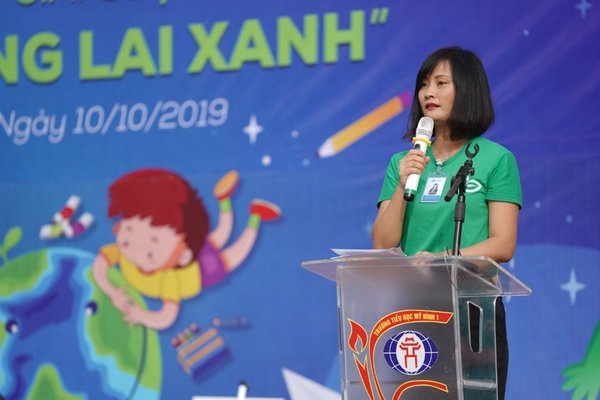
Ms. Tran Thanh Phuong – Deputy Director of Business Department of An Phat Holdings spoke at the program “Environmental Protection Kid Warrior” at My Dinh I Primary School.
Speaking at the program, Ms. Tran Thanh Phuong affirmed: “An Phat Holdings is working hard and expects to make a positive contribution to the anti-plastic waste efforts that the Government and Vietnamese people are working together. We believe that these activities need to be incubated from educating awareness and extensive propaganda activities. For that reason, we focus our resources on working with the education department to organize activities to guide students in living-green habits and environmentally responsible from the primary education level. Through these activities, we wish to contribute to the education department to create a young generation with knowledge and awareness of environmental protection â€.
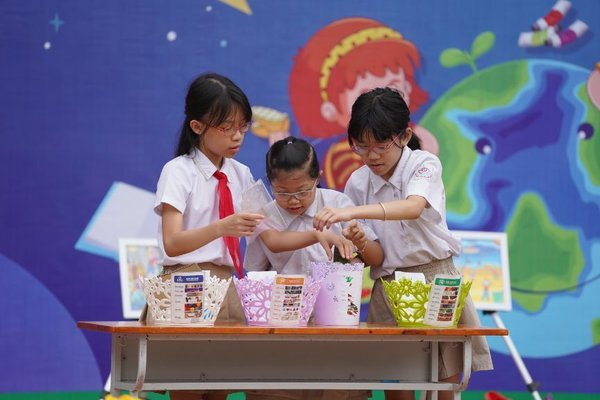
Students were instructed to classify garbage into three categories: organic waste, inorganic waste and recyclables.
At the program, the students at My Dinh I Primary School were learned how to sort waste and participated in practice through a fun sorting game. All teams tried their best and excellently overcome the challenge of the game. Therefore, the children became more aware of the need to separate waste and put them in the right place.

Excellent team won the garbage sorting game
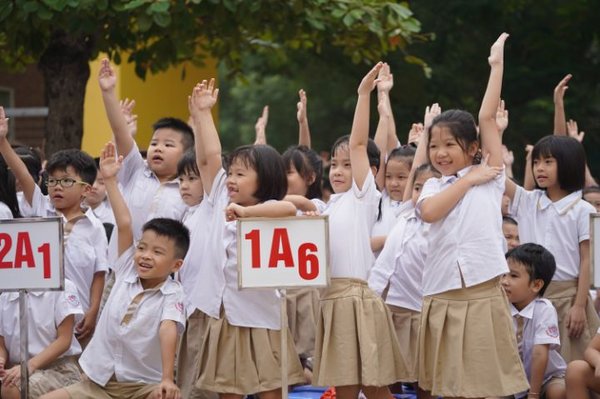
The children excitedly shared how to reduce plastic waste in their daily lives
As part of the “Environmental Protection Kid Warrior” program at My Dinh I Primary School, An Phat Holdings cooperated with the school to launch the contest “Drawing a green future” with the theme of protecting our surrounding environment. The competition received 300 works with the variety of styles and colors. Each work expresses the desires, dreams and environmental protection actions of children.

The child artist presents his work
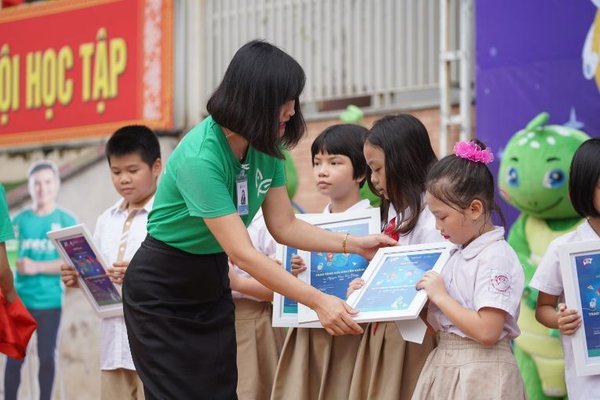
Many works were awarded with certificates and gifts from An Phat Holdings
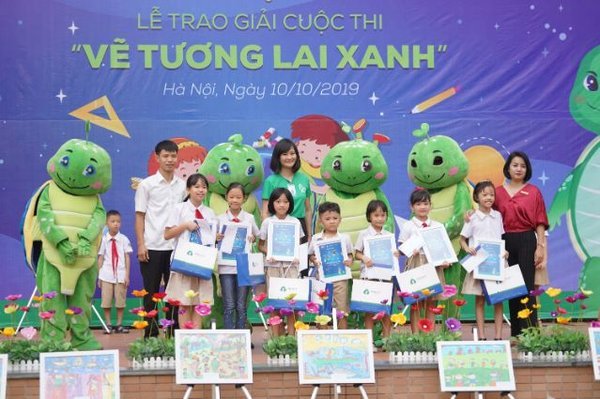
Excellent contestants won prizes at the contest “Drawing a green future”
In the future, An Phat Holdings will continue to coordinate with schools to organize the “Environment Protection Kid Warrior” program to spread the message against plastic waste, contributing to the education department to nurture a young generation who have environmentally awareness and responsibility.
]]>